20 November 2026
How to Choose the Right Airport Transport in Dubai
Presented by @dubaiairporttransfertimes
Arriving at Dubai International Airport can be a busy experience. With multiple terminals, high foot traffic, and a range of transport options, it helps to have a clear plan before you land. Whether you are visiting for business or leisure, picking the right airport transportation in Dubai depends on several practical factors. This article walks through the main considerations so you can make a choice that suits your schedule, budget, and comfort level.
Step 1: Understand Your Terminal and Arrival Time
Dubai International Airport has three main terminals. Terminal 1 handles most international carriers, Terminal 2 serves regional and low-cost airlines, and Terminal 3 is the base for Emirates. The terminal you arrive at affects which transport options are easiest to reach. For instance, the Dubai Metro connects directly to Terminals 1 and 3, but not to Terminal 2. If you land in Terminal 2, you may need to take a shuttle bus to the nearest metro station or rely on a taxi or ride-hailing service.
Your arrival time also matters. The Dubai Metro runs from about 5 am to midnight on most days, with slightly different hours on Fridays. If your flight lands late at night or very early in the morning, the metro will not be running. In that case, you will need a road-based option such as a taxi, a pre-booked car, or a ride-hailing app.
Step 2: Decide Between Public and Private Options
The main distinction in airport transportation in Dubai is between shared public services and private vehicles. Public options include the Dubai Metro and public buses. These are cost-effective and reliable, but they involve fixed routes, stops, and schedules. You may need to change lines or walk a short distance to your final destination. If you are traveling light and staying near a metro station, public transport can be a smart choice.

Private options include taxis, limousine hire, and ride-hailing apps. These offer door-to-door service and are available at any hour. You pay more for the convenience, but you save time and avoid carrying luggage through stations. Private transport is especially useful if you are unfamiliar with Dubai, have a lot of bags, or are traveling with children or elderly passengers.
Step 3: Compare Travel Time and Route
Dubai's road network can get busy, especially during peak hours (roughly 7 am to 9 am and 5 pm to 8 pm). The journey from the airport to central areas such as Dubai Marina, Downtown, or Palm Jumeirah can take anywhere from 20 minutes to over an hour depending on traffic. The Dubai Metro avoids road traffic entirely and offers a consistent travel time. For example, from Terminal 1 to Burj Khalifa station takes about 25 minutes. If you are heading to an area far from a metro line, you will need to factor in a connecting taxi or bus ride, which adds time.
Private transport can take advantage of toll roads and faster routes, but you will still sit in traffic. Some services offer real-time route updates, but no option can guarantee a fixed arrival time during heavy congestion. If punctuality is critical, consider leaving extra buffer time regardless of your choice.
Step 4: Evaluate Luggage and Group Size
The amount of luggage you carry directly affects your transport options. The Dubai Metro allows luggage, but there are size limits. Each passenger can bring one bag that fits within the designated luggage area. Large suitcases, multiple bags, or sports equipment can be awkward on the metro, especially during busy times. Public buses also have limited luggage space.
For groups, private transport becomes more practical. A standard taxi can hold up to four passengers plus luggage. If you are a larger group, you may need a shared van or a limousine service. Some private transport providers offer vehicles that accommodate up to seven or eight passengers. If you are traveling with children, remember that child seats are not standard in taxis or ride-hailing cars. You may need to request a vehicle with appropriate seating.
Step 5: Check Payment and Booking Options
Payment methods vary by transport type. The Dubai Metro requires a Nol card, which you can buy at the station. You can also use contactless bank cards at the gates. Taxis accept cash and credit cards, though it is wise to confirm before you ride. Ride-hailing apps charge your card automatically and often show the fare upfront. Limousine services usually require advance booking and may ask for a deposit.

Pre-booking can give you peace of mind, especially if you are arriving on a busy day or late at night. Many private transport providers allow you to reserve a car online before you fly. This guarantees that a driver will be waiting for you at arrivals. For public transport, no booking is needed, but you should have a Nol card ready to avoid queues at the ticket machines.
Step 6: Consider Comfort and Extra Services
Comfort is subjective. Some travelers prefer the quiet and air-conditioned environment of a private car. Others are happy on the metro, which is also air-conditioned and clean. If you value privacy, want to make phone calls, or need to work during the ride, a private vehicle is a better fit. Limousine services often include extras such as bottled water, newspapers, and a meet-and-greet at the arrivals hall.
For those with mobility issues, not all options are equally accessible. The Dubai Metro has step-free access and dedicated spaces for wheelchairs. Taxis can accommodate wheelchairs if you request a special vehicle in advance. Standard ride-hailing cars may not be suitable, so check the app's accessibility options before booking.
For travelers who want a straightforward, no-surprises experience, a pre-arranged car service can be worth the extra cost. Many travelers turn to dubaiairporttransfer.net to compare options and book a reliable vehicle before they land. The service provides a simple way to organize your pickup without waiting in taxi queues or navigating unfamiliar apps.
Step 7: Know the Alternatives for Repeat Travel
If you travel to Dubai frequently, you might consider long-term solutions. Some visitors rent a car and use the airport's parking options. Short-term and long-term parking lots are available at each terminal. However, parking fees add up quickly, and finding a space during peak travel periods can be challenging. Another option is to use a ride-hailing app consistently, so you have a record of trips and can track expenses.
For business travelers, a regular limousine service can provide a consistent experience. Some companies offer corporate accounts that simplify billing and scheduling. Again, dubaiairporttransfer.net can help with such arrangements by listing services that cater to frequent flyers.
Putting It All Together
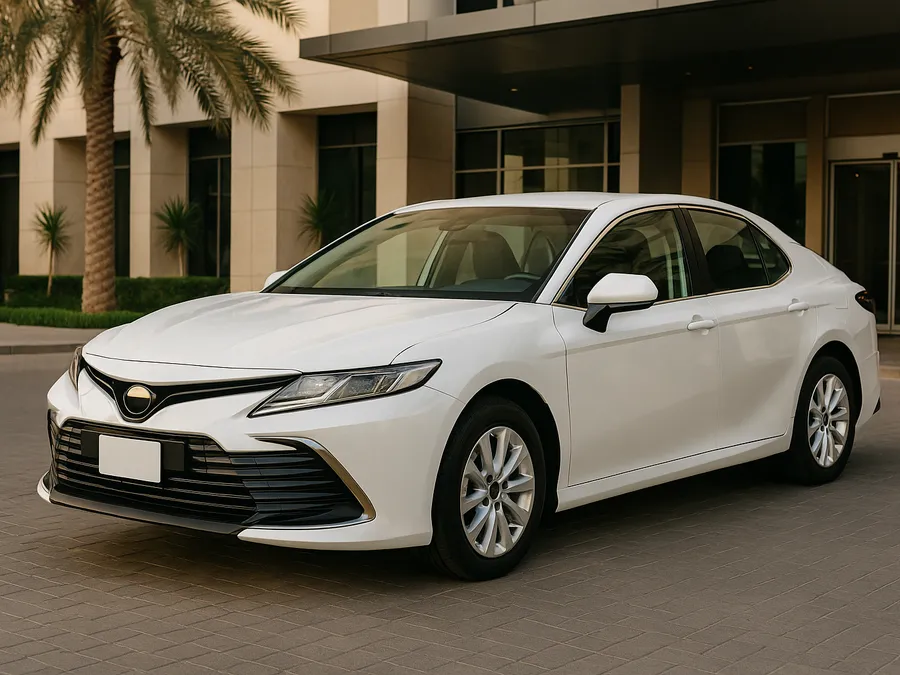
Choosing the right airport transportation in Dubai comes down to matching your specific needs with the available options. Start by checking your terminal and arrival time. If the metro is running and your destination is near a station, it is a solid budget-friendly choice. If you arrive late, travel with heavy luggage, or prefer door-to-door service, a taxi or pre-booked car is more practical. For groups or those seeking extra comfort, private hire or limousine services offer the most convenience.
Always factor in traffic, luggage size, and payment methods before you decide. A little planning ahead saves you time and stress after a long flight. By understanding the strengths and limits of each option, you can make an informed choice that fits your trip.